
Blog » Mexican Funerals: Traditions, Customs & What to Expect
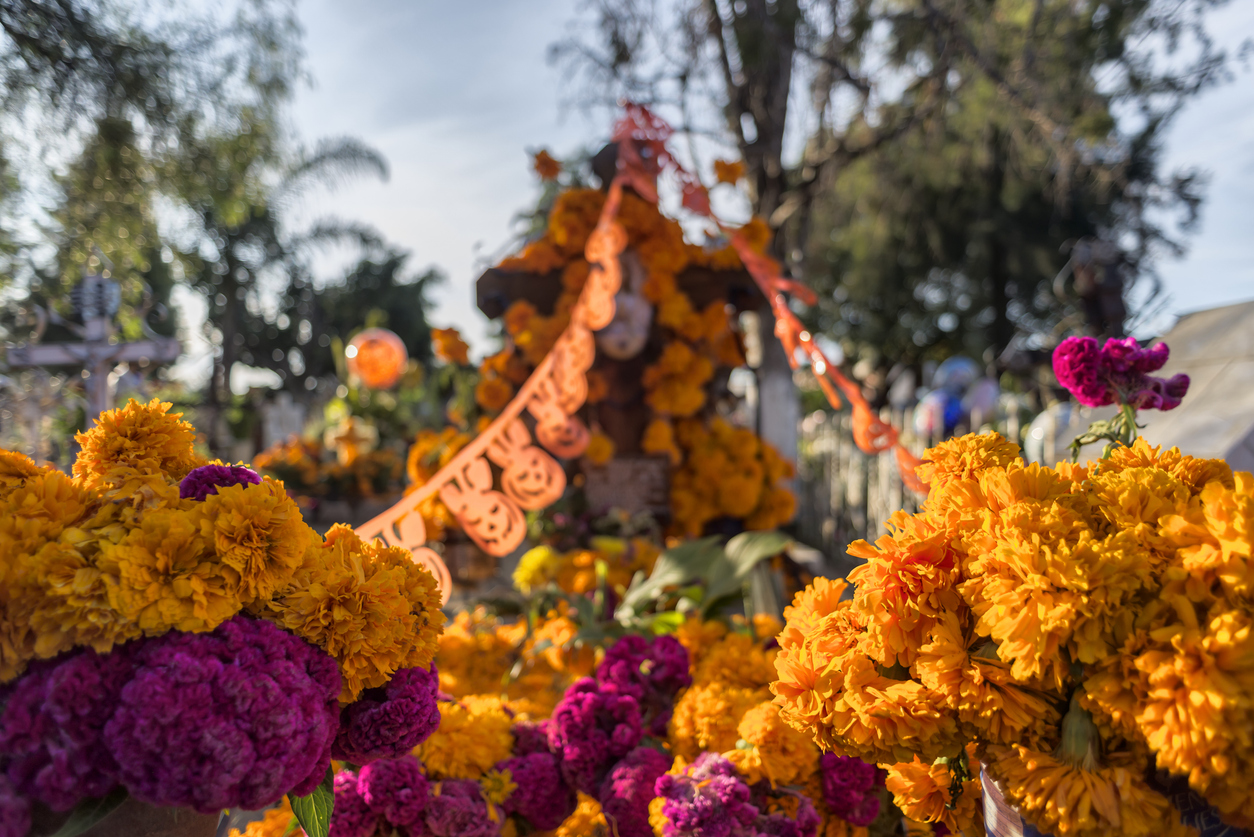
Explore Mexican funeral traditions, including wakes, Catholic ceremonies, Day of the Dead customs, and respectful ways to support grieving families while honoring Mexican culture.
Mexican culture views death as a natural part of life, approached with respect, remembrance, and deep connection rather than only sadness. Mexican funeral traditions combine centuries-old indigenous customs, Catholic beliefs, and strong family values to create meaningful ceremonies that celebrate the life and memory of the person who has passed away.
For many Mexican families, a funeral is not only a farewell but also an opportunity to bring loved ones together, share memories, offer prayers, and honor the journey of the deceased.
Whether you are attending a Mexican Funeral Tradition, supporting a grieving family, or planning arrangements for a loved one, understanding these traditions can help you participate with compassion and respect.
What Happens at a Traditional Mexican Funeral?
The Wake (Velorio)
One of the most important parts of a traditional Mexican funeral is the velorio, or wake. This gathering usually takes place shortly after death and may continue for one or more days, depending on the family’s preferences and cultural traditions.
During the wake, the deceased is often placed in an open casket surrounded by flowers, candles, religious images, and photographs. Family members and friends gather to pray, share stories, and provide emotional support.
Unlike some cultures where wakes are quiet and highly formal, Mexican wakes often have a warm and communal atmosphere. Guests may share memories, laugh while remembering special moments, and comfort one another through conversation and prayer.
Food and refreshments are also commonly served, as sharing meals represents community support and togetherness during a difficult time.
Catholic Funeral Mass and Burial Ceremony
Religion plays a significant role in many Mexican Funerals, with Catholic traditions influencing many ceremonies. A funeral Mass, known as a Misa de Funeral, is often held at a church and led by a priest.
During the service, prayers are offered for the soul of the deceased and for comfort for the grieving family. Religious symbols, hymns, and readings are commonly included to honor the person’s faith and life.
After the Mass, family and friends may participate in a funeral procession to the cemetery. Additional prayers are often offered at the gravesite before burial.
While burial has traditionally been common among Mexican families, cremation is becoming increasingly accepted as more people choose flexible and affordable end-of-life options. Families may still honor loved ones through memorial ceremonies, prayer services, and remembrance traditions regardless of whether burial or cremation is chosen.
Cultural and Religious Influences on Mexican Funerals
Mexican funeral traditions are shaped by a blend of Catholic practices and indigenous beliefs about honoring ancestors. Many families continue rituals that help maintain a spiritual connection with their loved ones after death.
Common traditions include:
-
Novenas: A series of prayers performed for nine days after death to support the soul’s peaceful transition.
-
Rosary prayers: Family members may gather regularly to pray the rosary in memory of the deceased.
-
Anniversary memorials: Families often hold Masses, gatherings, or visits to the gravesite on the anniversary of a loved one’s passing.
-
Family remembrance: Sharing stories, photographs, and memories remains an important part of keeping the person’s legacy alive.
These traditions reflect the belief that love and family connections continue even after death.
Funeral Etiquette and Appropriate Attire
If you are attending a Mexican funeral, showing respect and sensitivity is the most important thing. While traditions may vary between families and regions, these general guidelines can help:
-
Dress respectfully: Formal or modest clothing in darker or neutral colors is generally appropriate. Men may wear suits, dress pants, or collared shirts, while women often choose modest dresses or skirts.
-
Offer condolences: Simple expressions of sympathy are appreciated. A heartfelt message such as “I’m sorry for your loss” or “May they rest in peace” is appropriate.
-
Respect religious customs: If the service includes prayers or Catholic rituals, follow the family’s lead and participate respectfully if you feel comfortable.
-
Be present: In Mexican culture, emotional support and simply being there for the family are often more meaningful than finding perfect words.
Thoughtful Sympathy Gifts for a Mexican Funeral
Offering a Sympathy gift is a thoughtful way to show care and support. The best gifts are those that honor the memory of the deceased and provide comfort to the family.
Some appropriate options include:
-
A personalized memorial candle or photo frame
-
A sympathy flower arrangement or plant
-
A handwritten condolence card with a meaningful message
-
A framed photograph or keepsake honoring the loved one
-
Prepared meals or food baskets for the family during the grieving period
For families who choose cremation, a memorial item such as a keepsake urn, remembrance jewelry, or personalized tribute can provide a lasting way to honor the person’s life.
Simple Cremation provides compassionate cremation services designed to help families create meaningful farewells while making arrangements easier during challenging times.
After the Funeral: Continuing the Remembrance
In Mexican culture, mourning and remembrance do not end after the funeral service. Families often continue honoring their loved ones through prayers, gatherings, and annual traditions.
Ongoing Prayers and Memorial Practices
Many families observe:
-
Nine days of prayers following the funeral
-
Regular rosary gatherings
-
Memorial Masses on important anniversaries
-
Visits to the cemetery to clean and decorate graves
These practices allow families to stay connected with the memory of their loved ones while finding comfort through tradition and community.
Honoring Loved Ones Through Celebration
One of the most recognized Mexican traditions connected to death is Día de los Muertos (Day of the Dead). Celebrated on November 1 and 2, this holiday focuses on remembering and celebrating loved ones who have passed away.
Rather than being a day of mourning, Día de los Muertos is a time of love, storytelling, and connection. Families create ofrendas (altars) decorated with meaningful items, including:
-
Photographs of deceased family members
-
Candles to guide spirits home
-
Marigold flowers representing remembrance
-
Favorite foods and drinks of the deceased
-
Personal belongings and meaningful objects
-
Sugar skulls and traditional decorations
Families may visit cemeteries, share meals, listen to music, and tell stories about their loved ones. The tradition reflects the idea that those who have passed remain an important part of family history.
Why Choose Simple Cremation?
Choosing Simple Cremation means choosing a compassionate and supportive partner during one of life’s most difficult moments. We understand that every family has unique cultural values, traditions, and wishes when honoring a loved one. Our Cremation Services are designed to provide families with a respectful, affordable, and flexible alternative while allowing them to create meaningful memorials that reflect the life and legacy of the deceased. With a focus on transparency, personalized care, and easing the burden of arrangements.
Final Thoughts on Mexican Funeral Traditions
Mexican funeral traditions celebrate life, family, and remembrance through meaningful customs, prayers, and community support. Whether choosing burial or cremation, families focus on honoring their loved ones with dignity and care. Simple Cremation provides compassionate cremation services and resources to help families create respectful memorials during difficult times.
Recent Blog Posts
- How Quickly Does a Body Need To Be Cremated?
- Top Online Cremation Services Near You in 2026
- What to Do When Someone Dies: Step-by-Step Checklist
- How to Respond to Condolences of All Kinds
- Top Tips to Find an Obituary for a Specific Person
- How to Discuss Preplanning with Your Parents
- How do I Find an Obituary from Years Ago
- How to Write a Death Notice Announcement
- Guide to Funeral Etiquette: 12 Essentials
- Mexican Funerals: Traditions, Customs & What to Expect